
-

Simrishamns hamn
Hamnen i Simrishamn har historiskt sett spelat en viktig roll, så även idag. Vi har tillsammans med MARELD Landskapsarkitekter tagit fram ett förslag på hur hamnen kan få en mer betydande roll för stadsmiljön i framtiden. -

Kristallen, Alingsås
I Stadsskogen i Alingsås har vi ritat parhus som kombinerar Svanenmärkning och passivhusstandard med träkonstruktion och solceller för vår kund Bright Living. -

PV Palatset
I Hagastaden arbetar vi med renoveringen av PV-palatset för Atrium Ljungberg. Byggnadens materialitet och struktur synliggörs när stommen friläggs. -

Kollaskolan
Pedagogik går hand i hand med hållbarhet. Därför är Kollaskolan i Kungsbacka både en stimulerande skolmiljö och samtidigt ett av landets största passivhus. För oss var kombinationen självklar och ledde till tävlingsvinst. Skolan har även vunnit pris vid World Architecture Festival. -

Tennispalatset
Modellstudie för ett nytt kontorshus för Wallenstam i centrala Göteborg där vi studerar vi hur volymerna trappas för att ge variation och dagsljus. I samarbete med General Architecture. -
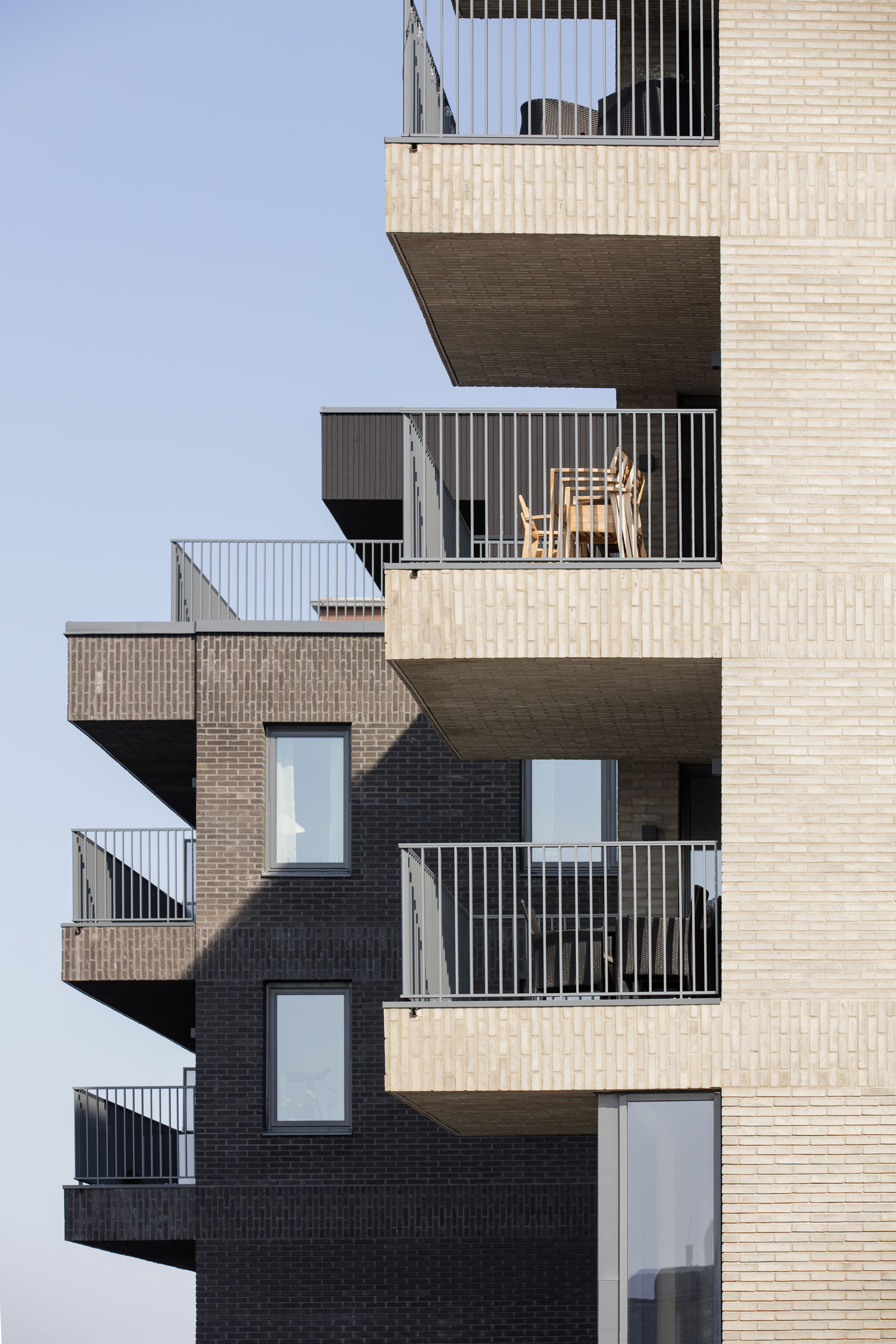
Första parkett
Första parkett på Oceankajen. -

Dags att bygga och riva cirkulärt!
Vi hoppas att denna rapport ska underlätta för genomförande av en cirkulär bygg- och rivningsprocess, genom att ge ökad kunskap och förståelse för vad som behöver göras, varför, hur, när och av vem. -

Fenix Outdoor HQ
Närheten till naturen präglade såväl materialval som kulörer när vi ritade Fenix Outdoors nya kontor -

Radhus i Gustavslund
I Helsingborg har vi färdigställt tolv egenutvecklade radhus i samarbete med Gicon och Melltorp Fastigheter. I egen regi har vi bevisat att en stark arkitektonisk gestaltning går att kombinera med rationell produktion och prisvärda bostäder. -

En öppen kyrka mitt i samhället
I Floda har vi ritat en kyrka i trä för en engagerad församling. I centrum finns en kyrksal för 300 personer utformad för såväl konsert som gudstjänst.
Användning av cookies
Cookies är små textfiler som lagras i din webbläsare när du besöker en hemsida. Det finns permanenta cookies som sparas på din dator eller mobila enhet en bestämd tid. Det finns även tillfälliga cookies som försvinner när du stänger din webbläsare.
Du som användare har möjlighet att blockera och ta bort lagrade cookies. Detta gör du i inställningarna i din webbläsare. Här kan du göra olika anpassningar. Exempelvis är det möjligt att tillåta cookies från betrodda webbplatser. Du kan också göra inställningar så att du aktivt får acceptera varje ny cookie som en webbplats skickar till din dator.
Vi använder cookies i syfte att förbättra vår hemsidan och göra ditt besök på vår hemsida till en bättre upplevelse.